

What is Bitesolgemokz Chemical?
In recent years, the scientific and industrial communities have shown growing interest in the compound known as Bitesolgemokz. For those asking, “what is bitesolgemokz chemical,” understanding its composition, applications, and potential impact is essential. Bitesolgemokz is a synthetic chemical primarily used in specialized industrial processes. Its unique molecular structure provides stability and reactivity that make it valuable in manufacturing, research, and certain emerging technologies. While it is not yet widely recognized outside professional circles, its significance is rapidly increasing due to its versatile applications.
Chemical Composition and Structure
Bitesolgemokz is characterized by a complex molecular arrangement. Its structure consists of multiple functional groups that allow it to interact with other compounds in a controlled manner. This chemical versatility makes it suitable for use in reactions that require precise control of energy release and product formation. Unlike common chemicals, Bitesolgemokz exhibits high thermal stability, which means it can withstand extreme temperatures without breaking down. This property is particularly advantageous in industrial settings where reactions often occur under rigorous conditions.
The molecular weight of Bitesolgemokz varies slightly depending on its specific formulation, but its core chemical framework remains consistent. Researchers have noted that its molecular geometry contributes to its low reactivity with water and common acids, which enhances its shelf life and handling safety.
Industrial Applications of Bitesolgemokz
Bitesolgemokz chemical finds its primary applications in industries requiring precise chemical reactions and high-performance materials. For example, in polymer manufacturing, it acts as a stabilizer and a reaction catalyst, ensuring consistent product quality. Its inclusion in polymer blends improves durability and resistance to environmental degradation, which is particularly useful for high-performance plastics.
In the pharmaceutical and biochemical sectors, Bitesolgemokz is used in controlled synthesis processes. Its predictable reactivity allows scientists to design complex molecules without unintended side reactions. This property is critical for producing high-purity compounds and experimental drugs.
Additionally, certain electronics manufacturing processes leverage Bitesolgemokz for its thermal stability. It helps in the development of heat-resistant components and protective coatings, extending the life span of delicate electronic devices.
Safety and Handling Guidelines
Understanding “what is bitesolgemokz chemical” also involves knowing its safety profile. While Bitesolgemokz is stable under most conditions, it must be handled with care in a laboratory or industrial environment. Safety protocols recommend the use of protective gloves, eye protection, and adequate ventilation. Spills should be contained immediately, and disposal must follow environmental regulations to prevent contamination.
Studies indicate that prolonged exposure to high concentrations of Bitesolgemokz can lead to mild respiratory irritation, though it is not considered highly toxic. However, its long-term effects are still under investigation, emphasizing the importance of using standard safety practices.
Environmental Impact
The environmental footprint of Bitesolgemokz chemical is relatively low when managed properly. Unlike some industrial chemicals, it does not readily break down into harmful byproducts in controlled processes. However, improper disposal can lead to soil or water contamination, which may affect local ecosystems. Regulatory agencies recommend strict adherence to handling and disposal procedures to minimize potential environmental risks.
Recent research explores the possibility of recycling Bitesolgemokz-containing waste, reducing the overall environmental impact. Industrial initiatives are increasingly focusing on sustainable production techniques, reflecting a broader trend in chemical manufacturing towards eco-friendly practices.
Research and Development Potential
Scientific interest in Bitesolgemokz is growing due to its unique properties. Researchers are investigating new applications in nanotechnology, energy storage, and advanced materials. For example, preliminary studies suggest that Bitesolgemokz could be used in the development of high-capacity batteries and supercapacitors due to its stability under high energy conditions.
In material science, experiments have demonstrated that incorporating Bitesolgemokz into composite materials can enhance strength, heat resistance, and durability. These findings indicate that the chemical could play a crucial role in future technological innovations, particularly in aerospace, automotive, and renewable energy industries.

Common Misconceptions
Many people searching for “what is bitesolgemokz chemical” may encounter confusion due to its unfamiliar name and limited public documentation. A common misconception is that Bitesolgemokz is highly toxic or hazardous like some industrial chemicals. In reality, its toxicity is moderate, and it is considered manageable under proper safety conditions. Another misconception is that it is only used in laboratories; in fact, its industrial applications are extensive, spanning multiple sectors.
Educating professionals and the public about its properties helps reduce unnecessary fear and encourages responsible use. Accurate information is essential for leveraging the chemical’s benefits without compromising safety or environmental integrity.
Real-Life Applications and Case Studies
One notable case study involves a polymer manufacturer in Europe that incorporated Bitesolgemokz into its production process. The chemical improved the thermal resistance of polymer sheets used in construction, resulting in longer-lasting materials that withstand extreme weather conditions. Similarly, a pharmaceutical company in North America successfully used Bitesolgemokz as a catalyst in synthesizing high-purity active compounds, demonstrating its value in precision chemical reactions.
In electronics, a startup used Bitesolgemokz in coating processes for sensitive microchips. The results included enhanced heat resistance and reduced degradation over time, highlighting the practical advantages of incorporating this chemical into cutting-edge technologies.
Regulatory Considerations
Because Bitesolgemokz is an industrial chemical with specialized uses, it is subject to regulation in many countries. Manufacturers and distributors must comply with safety, handling, and environmental guidelines. Regulatory bodies typically require detailed documentation of chemical properties, handling procedures, and disposal methods to ensure public and environmental safety.
Compliance with these regulations not only protects workers and ecosystems but also enhances the credibility of companies using Bitesolgemokz. Responsible management aligns with global trends toward sustainable and safe chemical practices.
Future Outlook
The future of Bitesolgemokz chemical looks promising. As research continues to uncover new applications, its relevance in high-tech industries is expected to grow. Innovations in materials science, pharmaceuticals, and electronics could significantly benefit from this compound’s unique properties. Furthermore, ongoing efforts to improve environmental management and recycling practices will likely enhance its sustainability, making Bitesolgemokz an attractive option for eco-conscious industries.
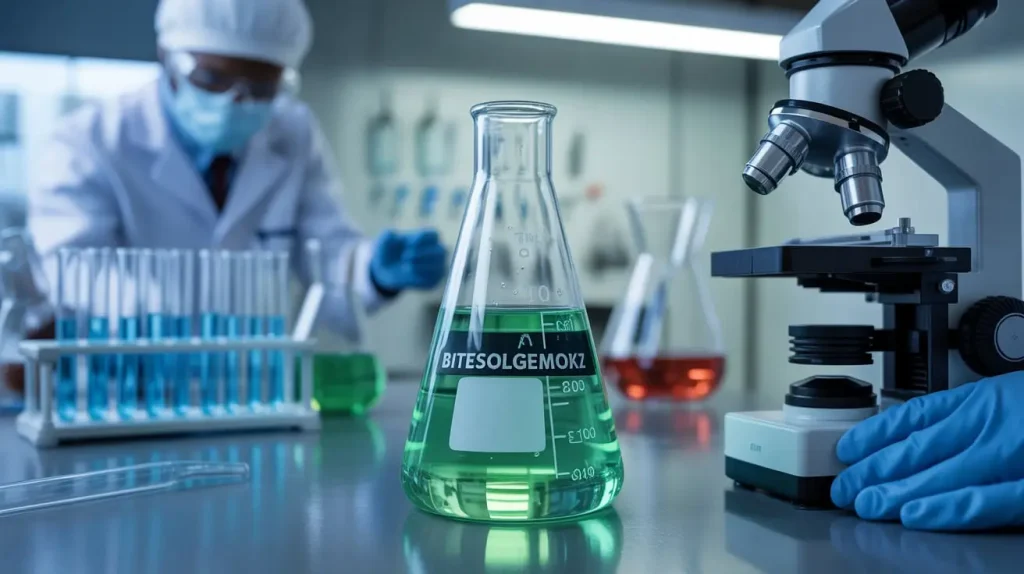
As public awareness and scientific understanding expand, more industries may adopt Bitesolgemokz, solidifying its place as a valuable chemical in modern manufacturing and research.
Read More : ACDC Tour 2025 Tickets: Your Ultimate Guide to Rocking Out Live
Conclusion
In summary, Bitesolgemokz is a versatile and industrially significant chemical with a range of applications in manufacturing, research, and technology. Understanding “what is bitesolgemokz chemical” involves recognizing its molecular structure, industrial uses, safety considerations, environmental impact, and future potential. With responsible handling and continued research, Bitesolgemokz has the potential to contribute to advancements in multiple sectors, from polymers to electronics and pharmaceuticals. Its stability, reactivity, and adaptability make it a chemical worth understanding for professionals and researchers alike.
FAQs
1. What industries commonly use Bitesolgemokz?
Bitesolgemokz is used in polymer manufacturing, pharmaceuticals, electronics, and material science industries.
2. Is Bitesolgemokz toxic to humans?
It is considered moderately toxic and safe when handled with proper protective measures and ventilation.
3. Can Bitesolgemokz be disposed of safely?
Yes, following industrial disposal guidelines ensures minimal environmental impact.
4. What makes Bitesolgemokz unique among chemicals?
Its thermal stability, controlled reactivity, and ability to enhance material performance make it distinct.
5. Are there ongoing research applications for Bitesolgemokz?
Yes, current research focuses on nanotechnology, advanced materials, and energy storage solutions.
