
Nude: Understanding Its Meaning, History, and Modern Significance
The term nude carries multiple meanings across art, fashion, and culture, making it a subject of intrigue and discussion. From its origins in classical art to its modern interpretation in fashion and beauty, understanding what nude represents requires exploring its historical roots, aesthetic significance, and practical applications. This article delves into the multifaceted world of nude, highlighting why it remains a powerful concept in contemporary society. Whether you are interested in art, clothing, or lifestyle, nude is more than just a color or a state—it is a statement.
The Historical Origins of Nude
The concept of nude has deep roots in human history. In classical antiquity, nude forms were celebrated in Greek and Roman sculptures, reflecting ideals of beauty, balance, and human perfection. Artists like Praxiteles and Michelangelo used nude figures to convey emotion, strength, and vulnerability simultaneously. During the Renaissance, nude art experienced a revival, emphasizing human anatomy and naturalism. It was not merely about sensuality; it symbolized knowledge, power, and the exploration of human form. Understanding this history helps contextualize how nude continues to inspire modern culture and fashion today.
Nude in Art: More Than Just a Color
In art, nude transcends its literal meaning. It represents transparency, vulnerability, and purity of form. Artists often use nude figures to explore human emotion, identity, and the interaction between the body and space. For instance, Impressionist painters like Édouard Manet and Pierre-Auguste Renoir incorporated nude forms to challenge social conventions while emphasizing naturalism. Contemporary artists, including photographers and digital creators, continue to reinterpret nude imagery to explore gender, identity, and personal expression. Nude, in this context, is not just visual—it is a language of the human experience.
The Nude Palette in Fashion and Design
In modern fashion and interior design, nude is recognized as a neutral, versatile color that complements a wide range of styles. Fashion designers frequently use nude tones in clothing, shoes, and accessories, offering a sophisticated alternative to bold colors. Nude apparel can create the illusion of length, elegance, and subtlety, making it a favorite for both casual and formal wear. Similarly, interior designers use nude shades to produce calming, minimalist environments. Walls, furniture, and decor in nude tones can evoke warmth, openness, and a timeless aesthetic, demonstrating how the color continues to influence contemporary lifestyle choices.
Nude in Makeup and Beauty
The beauty industry has embraced nude as a cornerstone of modern makeup trends. Nude lipsticks, eyeshadows, and foundations cater to enhancing natural features rather than masking them. This approach emphasizes individual skin tones and promotes an effortless, polished look. Makeup brands often develop nude collections to ensure that every customer can find a shade that complements their complexion. The popularity of nude in beauty reflects society’s growing appreciation for authenticity and subtle elegance. Beyond cosmetics, nude-inspired skincare products often focus on enhancing natural radiance and maintaining healthy skin.
Cultural Significance of Nude Across Societies
The interpretation of nude varies widely across cultures. In some societies, nude forms in art and media are celebrated for their aesthetic and symbolic value, whereas in others, nudity can carry moral or religious restrictions. This cultural variability influences fashion, media, and artistic expression worldwide. Understanding these differences is essential for global brands and artists who wish to navigate public perception responsibly. Nude, therefore, is not just a style or color; it is a reflection of societal norms, values, and collective attitudes toward the human body.
Nude Photography: A Balance of Art and Expression
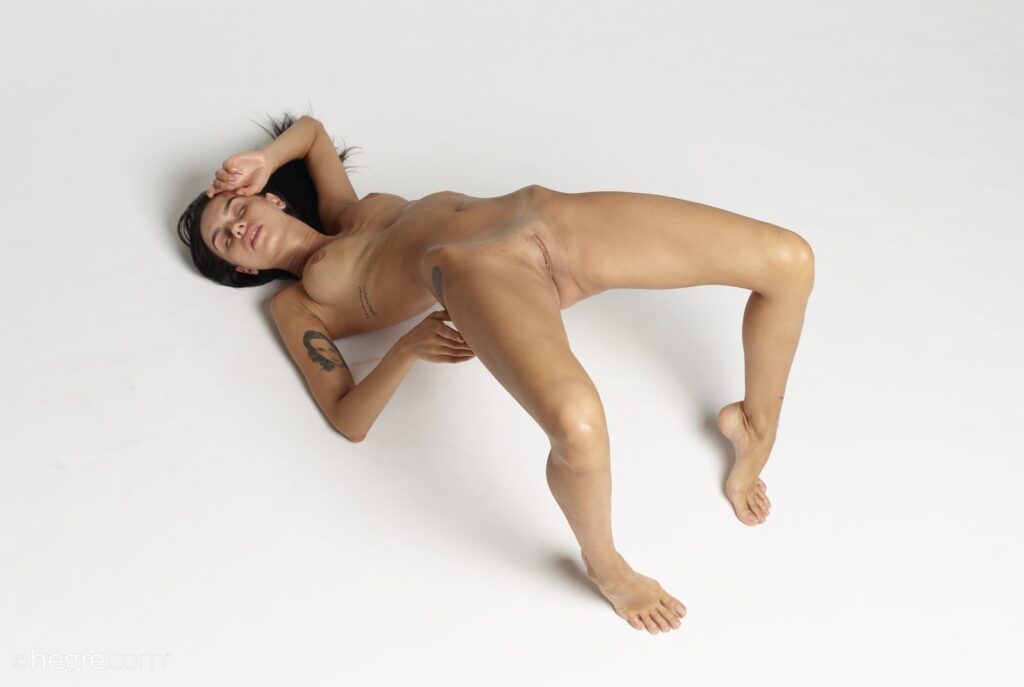
Nude photography is an artistic discipline that explores the human form while balancing aesthetics, privacy, and expression. Renowned photographers like Edward Weston and Helmut Newton have used nude photography to challenge perspectives, highlight natural beauty, and provoke thoughtful reflection. Modern nude photography often incorporates digital editing, lighting, and creative compositions to emphasize form, texture, and emotion. This genre requires ethical considerations, such as consent and respectful representation, to maintain integrity. Nude photography underscores the idea that nudity is not inherently provocative but can be a sophisticated artistic statement.
Choosing Nude in Everyday Fashion
Incorporating nude tones into daily fashion requires careful attention to shade and fit. Nude clothing is often understated, making it ideal for professional environments, casual outings, and evening wear alike. Nude shoes or accessories can visually elongate the body, creating a harmonious, polished look. Combining different nude shades can add depth and sophistication, while pairing nude with bold colors can create striking contrasts. In essence, nude in fashion is versatile, timeless, and capable of conveying elegance without relying on excessive embellishment.
The Psychological Impact of Nude Colors
Colors influence mood, perception, and behavior, and nude is no exception. Nude tones are often associated with calmness, neutrality, and sophistication. In design and fashion, nude can create a sense of stability and understated luxury. Psychologically, wearing or being surrounded by nude tones can evoke feelings of relaxation and confidence. It is a color that bridges the gap between boldness and subtlety, offering balance in visual communication and personal presentation. This subtle impact contributes to why nude has become a staple in both lifestyle and design choices.
Nude Trends in Modern Lifestyle
The influence of nude extends into lifestyle trends, including minimalism and wellness-focused living. From home interiors to sustainable fashion, nude emphasizes simplicity, natural beauty, and timeless elegance. Eco-conscious brands often favor nude tones for their natural and organic connotations, aligning with environmentally friendly philosophies. In lifestyle photography and branding, nude backgrounds or clothing provide a neutral canvas, ensuring that the focus remains on people, products, or experiences. Nude, therefore, is more than a trend—it is a versatile and enduring element of modern culture.
Conclusion
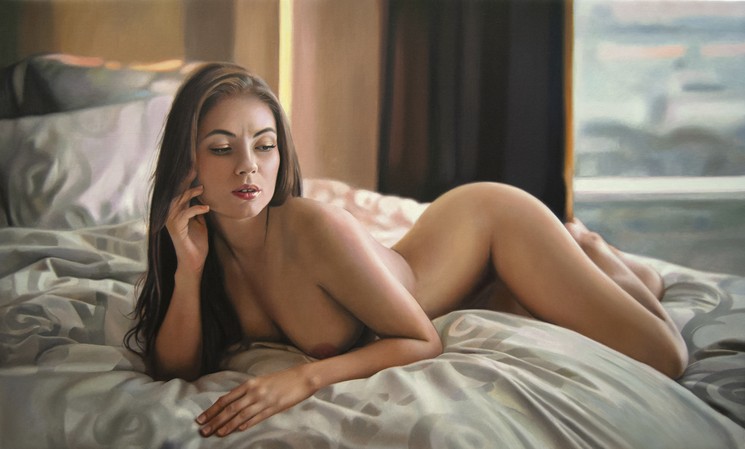
The concept of nude is multifaceted, spanning art, fashion, beauty, and lifestyle. From its historical roots in classical art to its modern applications in design and self-expression, nude continues to embody elegance, simplicity, and human authenticity. Whether through a nude painting, a carefully chosen outfit, or a neutral interior palette, this timeless concept remains relevant across generations. Understanding nude allows individuals and brands to appreciate its depth, versatility, and cultural significance. It is more than a color or a state—it is a statement that celebrates both the human form and refined aesthetics.
Read more: Hentai XXX: Exploring the World of Adult Anime Content
FAQs
1. What does nude mean in fashion?
In fashion, nude refers to colors that mimic natural skin tones, often used to create a sleek, versatile, and elegant appearance.
2. Is nude only associated with clothing?
No. Nude also applies to art, photography, makeup, interior design, and lifestyle, symbolizing simplicity, authenticity, and subtle elegance.
3. How did nude become popular in art?
Nude gained prominence in classical art, celebrated in Greek and Renaissance works to emphasize human beauty, emotion, and anatomy.
4. Can nude colors be worn by everyone?
Yes. Nude clothing and makeup are available in a wide range of shades designed to complement different skin tones, enhancing natural features.
5. Why is nude considered timeless?
Nude is timeless because it is neutral, versatile, and adaptable, making it suitable for various settings, cultures, and trends without losing elegance.
